
Understanding Postpartum Depression
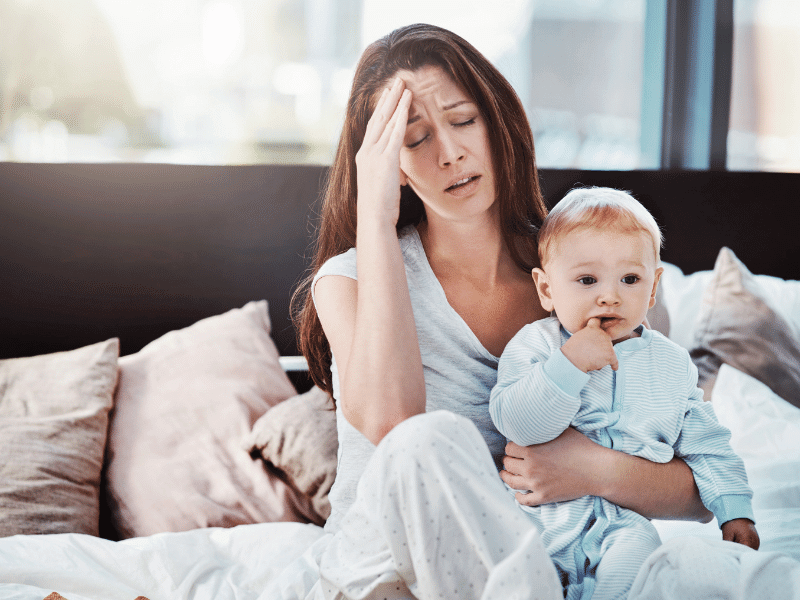
Understanding postpartum depression (PPD) is essential for new parents, as it can have a significant impact on maternal and family well-being. This condition affects some individuals after giving birth, and it’s important to recognize the signs, employ coping strategies, and seek support. Here’s a guide to postpartum depression signs
Signs of Postpartum Depression:
- Persistent Sadness: Feeling consistently sad, down, or hopeless, often with no apparent cause.
- Irritability: Experiencing heightened irritability, frustration, or anger, even over small matters.
- Loss of Interest: Losing interest or pleasure in activities that were once enjoyable.
- Fatigue: Overwhelming fatigue or exhaustion that doesn’t improve with rest.
- Sleep Disturbances: Experiencing difficulties falling asleep or staying asleep, even when the baby is sleeping.
- Appetite Changes: Significant changes in appetite, leading to weight loss or gain.
- Difficulty Bonding: Struggling to bond with the baby, feeling detached, or having negative feelings towards the infant.
- Anxiety: Intense anxiety, excessive worry, or constant fear about the baby’s well-being.
- Feelings of Guilt or Worthlessness: Excessive guilt, feelings of worthlessness, or believing that you are a bad parent.
- Physical Symptoms: Experiencing physical symptoms like headaches, stomachaches, or other unexplained pains.
- Intrusive Thoughts: Having distressing and intrusive thoughts, often about harming yourself or the baby (Note: These thoughts are distressing but are typically not acted upon).
0 Comments